XIIDRA® VERSUS VEHICLE WAS STUDIED IN
FOUR 12-WEEK CLINICAL TRIALS IN 2,247 PATIENTS
The safety profile and efficacy of XIIDRA® vs. vehicle were studied in 2,247 subjects diagnosed with dry eye disease in four randomized, multicentre, double-masked, placebo-controlled 12-week trials. Each of the four studies assessed the effect of XIIDRA® vs. vehicle on both the signs and symptoms of dry eye disease, measured by Inferior Corneal Staining Score (ICSS) and Eye Dryness Score (EDS), respectively, at baseline and weeks 2, 6, and 12.1
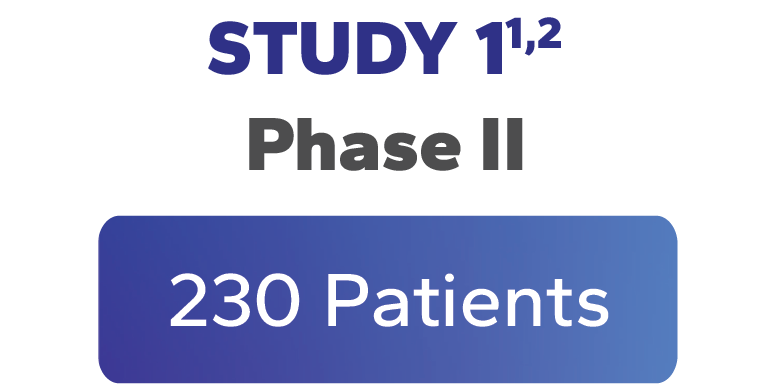
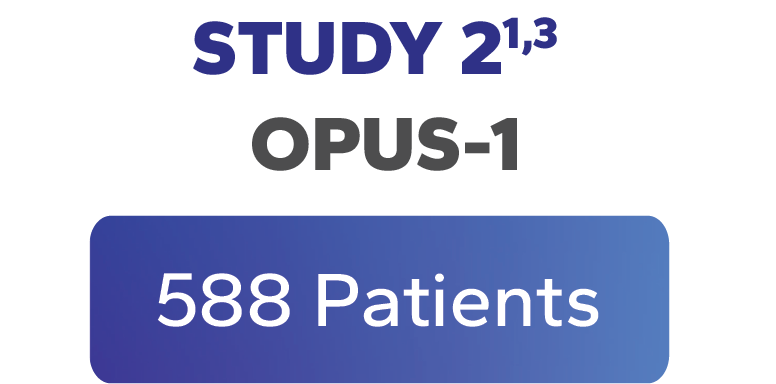
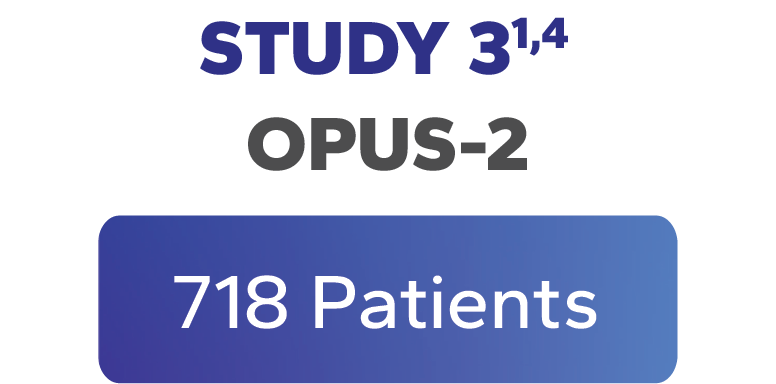
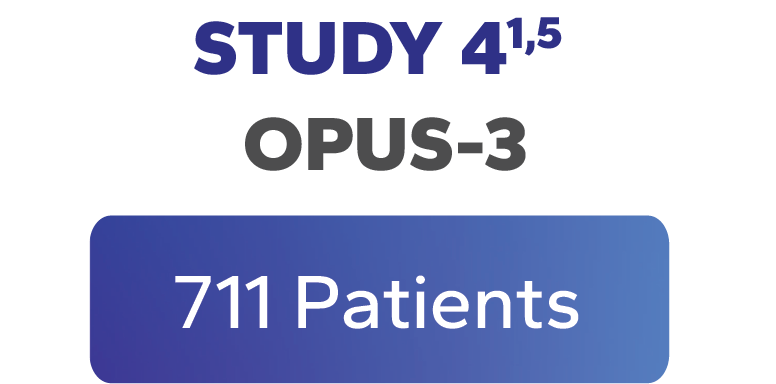
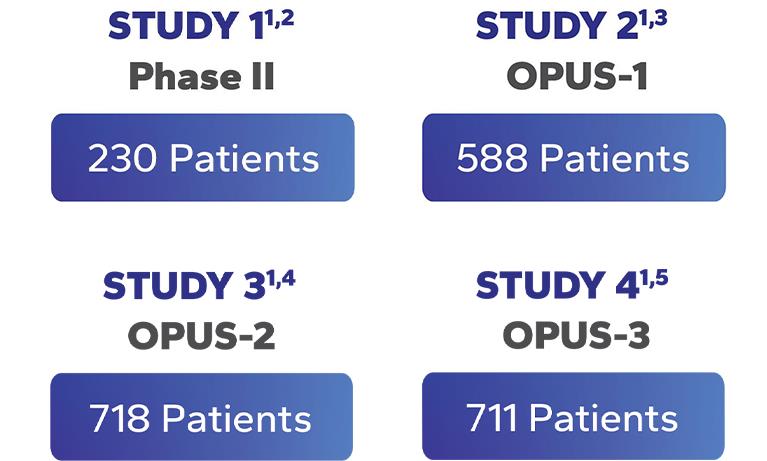
In all studies, subjects reported a history of dry eye disease in both eyes at study entry. In studies 1 and 2, a controlled adverse environment (CAE) model was used during the screening period to identify subjects who were more susceptible to environmental stressors. In studies 3 and 4, subjects were required to have a history of recent artificial tear use. In all four studies, use of artificial tears was prohibited during the 12-week study period.1
MEASUREMENT OF SIGNS AND SYMPTOMS
The following Two Scales were used to Measure EDS and ICSS

Assessment of symptoms was based on change from baseline in patient-reported EDS. Patients reported their symptoms on a scale from 0 to 100.
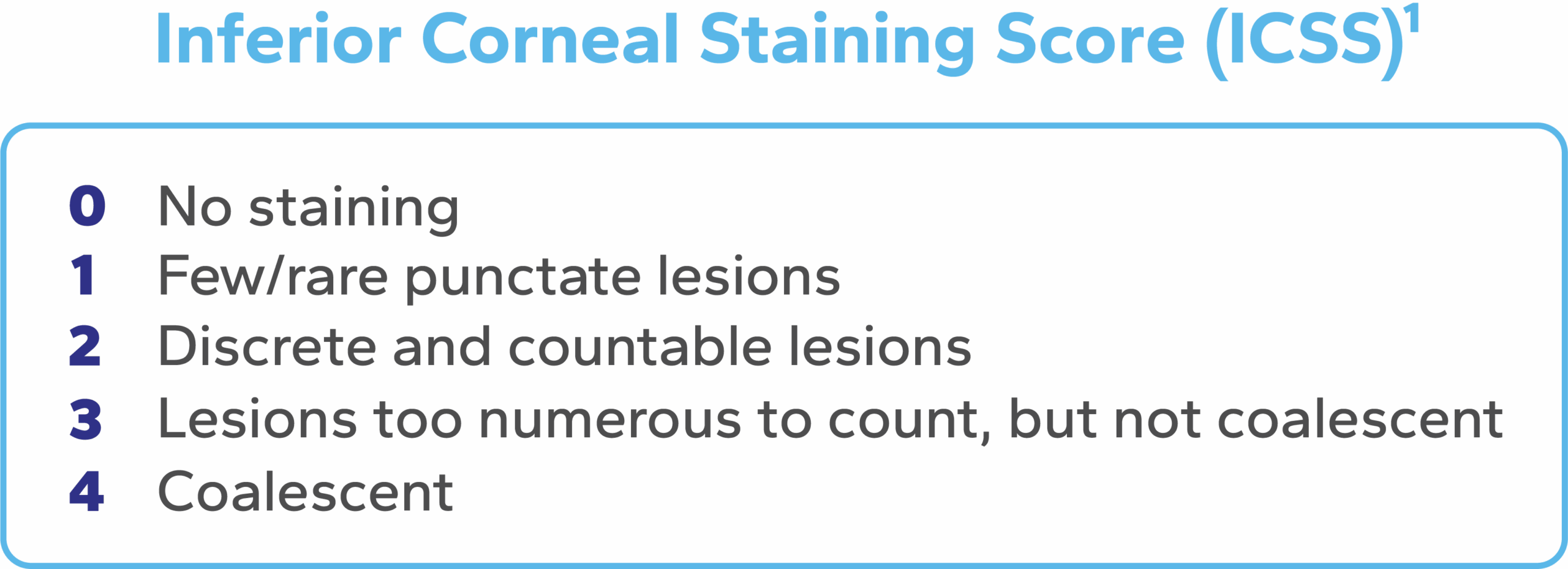
Assessment of signs was based on change from baseline in ICSS. ICSS was measured on a scale of 0 to 4 in increments of 0.5.
References: 1. XIIDRA® Product Monograph. Bausch + Lomb Corporation. January 28, 2025. 2. Semba CP, et al. A phase 2 randomized, double-masked, placebo-controlled study of a novel integrin antagonist (SAR 1118) for the treatment of dry eye. Am J Ophthalmol. 2012;153(6):1051-1060. 3. Sheppard JD, et al. Lifitegrast ophthalmic solution 5.0% for treatment of dry eye disease: Results of the OPUS-1 phase 3 study. Ophthalmology. 2014;121(2):475-483. 4. Tauber J, et al. Lifitegrast ophthalmic solution 5.0% versus placebo for treatment of dry eye disease: Results of the randomized phase III OPUS-2 study. Ophthalmology. 2015;122(12):2423-2431. 5. Holland EJ, et al. Lifitegrast for the Treatment of Dry Eye Disease: Results of a Phase III, Randomized, Double-Masked, Placebo-Controlled Trial (OPUS-3). Ophthalmology. 2017;124(1):53-60.